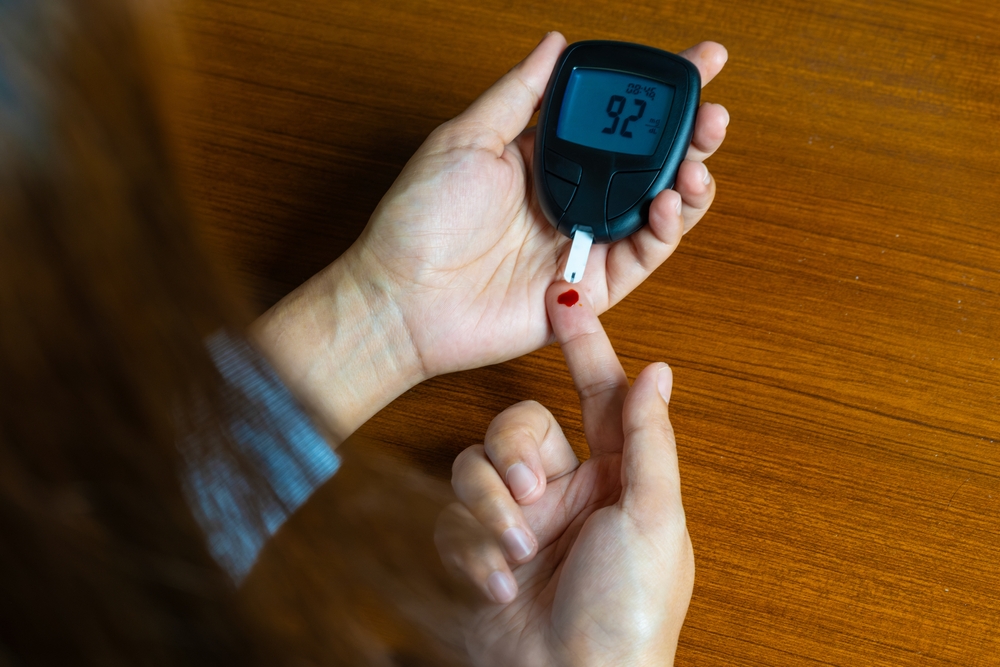
Blood tests are a critical tool for understanding and monitoring overall health. At AIM Group in East Hills, NY, multiple providers emphasize the importance of these tests as a window into the body’s internal functions. Blood tests are more than just routine checks—they provide essential information that helps evaluate organ function, detect potential health issues, and guide lifestyle or medical decisions. Whether you are generally healthy or managing a chronic condition, understanding what blood tests reveal can empower individuals to take a proactive approach to their wellness.
Beyond diagnosing specific illnesses, blood tests offer insights into nutritional status, hormone levels, and the body’s ability to fight infection. They are often used to track the effectiveness of treatments or medications and can uncover early signs of chronic diseases such as diabetes, kidney disease, or cardiovascular conditions. By interpreting these results in context, healthcare providers can create a comprehensive picture of a patient’s health and potential risks.
Common Blood Tests and What They Measure
Blood tests can vary widely depending on the purpose of the assessment. One of the most common tests is a complete blood count (CBC), which measures red and white blood cells, hemoglobin, hematocrit, and platelets. A CBC provides important information about overall health and can help detect conditions such as anemia, infections, or blood clotting disorders. Another standard test is the basic metabolic panel (BMP), which evaluates electrolytes, blood sugar, and kidney function. These results can identify metabolic imbalances or early signs of conditions like diabetes or kidney disease.
Other commonly used blood tests include lipid panels, which assess cholesterol and triglyceride levels, and liver function tests, which examine enzymes that reflect liver health. Thyroid function tests measure hormone levels that regulate metabolism, energy, and mood. Vitamin and mineral panels are sometimes used to evaluate deficiencies that could impact overall health, energy levels, and immune function. Together, these tests provide a multifaceted view of the body, helping healthcare providers identify areas that may require further evaluation or intervention.
What Blood Tests Can Reveal About Your Health Risks
Blood tests are valuable not only for detecting current health conditions but also for assessing potential risks. They can indicate inflammation, insulin resistance, or abnormal lipid levels, all of which are predictors of cardiovascular disease. Regular monitoring allows individuals and healthcare providers to make informed decisions about lifestyle changes, diet, or preventive care to reduce these risks. For instance, elevated cholesterol or blood sugar levels detected through routine testing can prompt early interventions that may prevent serious health complications.
Additionally, blood tests can uncover hidden issues that may not yet cause noticeable symptoms. For example, mild anemia or vitamin deficiencies may go unnoticed until they affect energy or cognitive function. Identifying these issues early allows for targeted treatment, improving overall quality of life. Blood tests also provide a baseline for comparison over time, allowing providers to track changes in health status and detect trends that may indicate emerging conditions.
Preparing for a Blood Test and Understanding Results
Preparation for blood tests may vary depending on the specific tests being performed. Some tests require fasting, while others may not. It is helpful to bring a list of current medications, supplements, and relevant medical history to the appointment. Discussing any symptoms or health concerns with the provider before testing ensures that the results are interpreted in the correct context.
Once results are received, healthcare providers review them in detail, often comparing them to reference ranges that indicate normal values. Abnormal results do not always signal disease but rather serve as indicators that further investigation may be needed. Providers may recommend follow-up testing, lifestyle modifications, or additional evaluations based on the findings. Understanding the significance of these numbers empowers patients to take an active role in their health management.
Conclusion: Blood Tests as a Tool for Informed Health Decisions
Blood tests provide critical insights into the body’s functioning, potential risks, and overall wellness. They allow for early detection of diseases, monitoring of ongoing conditions, and guidance for lifestyle and preventive care. By understanding the information that blood tests reveal, individuals can make more informed decisions about their health and wellbeing. At AIM Group in East Hills, NY, multiple providers recognize the value of these tests as a tool for comprehensive health awareness, helping patients understand and respond to their unique health needs.
Resources:
- McLaughlin, K. A., & Nolen-Hoeksema, S. (2011). Rumination as a Transdiagnostic Factor in Depression and Anxiety. Behavior Research and Therapy.
- Grundy, S. M. (2004). Cholesterol and Coronary Heart Disease: A Review. JAMA.
- Rifai, N., & Ridker, P. M. (2001). High-Sensitivity C-Reactive Protein: A Novel and Promising Marker of Coronary Heart Disease. Clinical Chemistry.